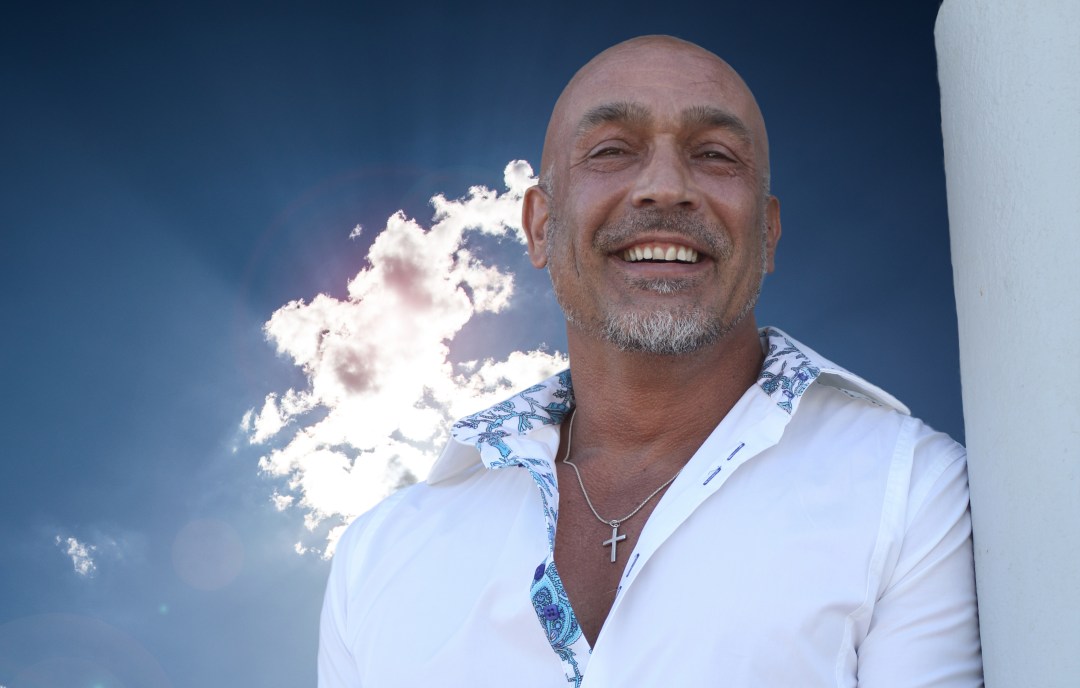
Some of you may have noticed I went quiet.
And by “quiet,” I don’t mean I took a peaceful social media break to meditate, drink herbal tea, and become one of those people who says things like, “I’m protecting my energy.”
No.
I vanished.
Like I had either been abducted by aliens, lost a fight with fibre internet, or my wife finally buried me in the backyard after one too many “just one more gym video” conversations.
Good news: I was not abducted.
Also good news: my wife has not buried me.
Yet.
Although after the last few months, I suspect she at least Googled shovel prices.
The short version is this: I have been busy trying not to become a framed photograph.
The longer version is funnier.
The last six months have been what polite people call “challenging.”
I prefer: my body opened a complaints department, hired staff, and started issuing warnings in all eleven official languages.
Feet swelling. Brain fog so bad I could not safely drive. Gut problems. Emergency colonoscopy and gastroscopy. Silent reflux burning my teeth, mouth and lungs. Weeks where I could barely speak. Constant lung infections. Tendons not healing. Kidney function dropping.
You know. Light entertainment.
The kind of thing where people ask, “How are you?” and you either say “fine” like a responsible liar, or you tell the truth and watch them regret having ears.
So yes, posting fitness motivation became difficult.
Hard to inspire people when your brain is buffering, your stomach wants legal separation, and your body is acting like a badly maintained rental property.
BOOK MARKER #1: THE SIX-MONTH VANISHING ACT
Not glamorous. Not heroic. Definitely one of those chapters where the main character suspects the author has changed the plot and you were not informed.
Still, life goes on.
That is the annoying thing about life.
It does not pause neatly while your organs hold a committee meeting. You still have responsibilities. Family. Work. Dogs to walk. Messages to answer. A body behaving like a haunted appliance, but apparently still expected to function in public.
Then, about two months ago, my wife and I took the dog for a walk near the ocean at Pearly Beach.
Beautiful evening.
Fresh air.
Peaceful.
Obviously, this is where the plot tried to kill me.
My right arm started aching.
At first I thought, “Maybe my wife punched me earlier and I forgot.”
Marriage is full of mystery.
Then the ache spread.
Arm.
Shoulder.
Chest.
At home I lay down, because men are simple creatures and believe horizontal position is a medical treatment.
It was not.
My wife wanted to go to hospital.
I said, “No, I’m not in the mood for drama.”
This was, medically speaking, a sentence that should have been taken outside and shot.
Then I started drifting in and out and realised something very practical: if I went fully out, my wife would never get me into the car. She is fierce, yes, but dragging my large dramatic body into a Subaru at night is not exactly her Olympic category.
So I got myself into the car.
And then my wife took over.
That woman drove like she had stolen the Subaru, heard sirens, and decided the only correct response was more speed.
I was lying there drifting in and out, listening to the beautiful growl of the six-cylinder boxer engine, thinking:
“Well, if I die tonight, at least the soundtrack is excellent.”
Every time I closed my eyes, I imagined her driving on the wrong side of the road.
Very calming.
Highly recommended if you enjoy fear with good suspension.
BOOK MARKER #2: THE PEARLY BEACH RALLY STAGE
A wife. A Subaru. A malfunctioning husband. One dog left at home wondering why the pack leader had suddenly become luggage.
We arrived at Hermanus hospital.
They carried me in.
The medic asked a few questions and said, “It’s probably gas and a bit of a panic attack.”
Gas.
My brother in medicine, my wife did not turn Pearly Beach to Hermanus into a deleted scene from Fast & Furious because I had a spicy burp.
I was almost offended.
I am a rough, tough guy. I refuse to nearly die for gas. I have standards.
Then the doctor arrived and said, “Mr Louw, we have a problem.”
Finally.
Respect.
That sounded much better.
Not good, obviously. But better.
There is something deeply insulting about arriving dramatically at hospital only to be told your possible death might be indigestion with confidence issues.
Suddenly things became serious.
Blood thinners.
Morphine.
Electrodes everywhere.
Machines connected to me that looked like they were monitoring everything from my heart to my future bad decisions, possibly including sins from 1998.
Then they said I had to go immediately to Somerset West for an emergency procedure.
We asked if we could quickly fetch the little dog at home.
Doctor said no.
Apparently heart attacks are very selfish about timing.
So into the ambulance I went, strapped in like cargo, high on morphine, with a friendly young Portuguese medic chatting to me while we flew over the mountain.
Honestly?
That one goes in the book.
BOOK MARKER #3: MORPHINE OVER THE MOUNTAIN
Ambulance lights. Mountain road. Machines beeping. A stranger keeping me company while my heart was busy handing in its resignation.
At the hospital, things became less clear.
Morphine has a way of turning reality into a badly edited movie.
I remember a big room. Curtains closing. Nurses around me. One of them saying, “Mr Louw, we need to put you in this gown.”
First thought:
Dress?
Second thought:
Why does it close at the back?
Third thought, as they started helping me out of my clothes:
“Ladies, I was not expecting to come to hospital tonight, so I am… how shall we say… travelling without full diplomatic coverage.”
They were professionals.
I was basically furniture with blood pressure.
Then came the hospital underwear.
Blue.
Calvin Klein.
Enormous.
That thing was not underwear. That was a family tent with elastic.
I still don’t know whether I was wearing it or renting space inside it.
And then the gown.
Again: why does it open at the back?
They need access to your chest and arms, but the gown gives them prime access to your backside. Whoever designed that garment either misunderstood anatomy or had unresolved childhood issues involving curtains.
When my brain is fully recovered, I may write a strongly worded letter to the hospital gown industry.
Possibly a manifesto.
BOOK MARKER #4: THE HOSPITAL DRESS CONSPIRACY
One man. One gown. One very serious question for medical fashion, which appears to have been designed by someone who hates doors.
The next morning came the emergency procedure.
They explained they would do it while I was awake because, at a critical point, I might need to make a decision about immediate open-heart surgery.
That is not the kind of morning conversation you want.
You want coffee.
Maybe toast.
Not: “Good morning, sir, would you like us to open your chest today, or shall we first attempt internal plumbing while you are awake?”
The doctor went in.
It hurt.
Then three of them went to speak softly in the corner.
Let me tell you something: when medical people whisper in a corner during your procedure, your confidence does not increase.
Nobody whispers good news next to your arteries.
The doctor came back and said he would prefer open-heart surgery, replacing all three main arteries, because I was getting about 15% blood flow.
Fifteen percent.
I have given more effort to bad Facebook arguments.
But he said he could try to fix it while he was already in there.
It would hurt.
It would take long.
I said, “Doc, do what needs to be done.”
That sentence sounds heroic until the “what needs to be done” starts happening.
They opened the arteries, stretched them, and placed stents.
For two hours.
They gave me morphine four times and warned me about hallucinations.
At one point there was literally someone holding me down.
So yes, somewhere between the morphine, the pressure, the machines, and the man holding my feet, I had a few quiet thoughts about my life choices.
Mostly:
“Lord, I trust You… but I must admit, this is a fairly intense maintenance plan.”
Also:
“If this is character development, I would like to unsubscribe from the premium package.”
Pain is a strange thing.
Not social media pain. Not “embrace the grind” pain. Not the kind influencers post about while standing near good lighting and a sponsored electrolyte drink.
Real pain.
The kind that strips away nonsense.
The kind that reminds you that no matter how disciplined you are, no matter how strong you think you are, no matter how many years you trained, you are still flesh, breath, blood, and plumbing.
And sometimes the plumbing wants a union representative.
BOOK MARKER #5: THE TWO-HOUR PLUMBING JOB
Three arteries. Three stents. One upgraded heart. Hopefully rustproof parts. I would hate to survive all this only to fail a magnet test at airport security.
After that, ICU.
Five days.
Wires everywhere.
Machines everywhere.
I looked like a science experiment sponsored by bad decisions and monitored by people who kept pretending the wires were normal.
I was not allowed to do anything.
Nothing.
Not even basic bathroom dignity.
And they have this little cup you are supposed to use while lying in bed.
No.
Absolutely not.
My body looked at that instruction and said, “We do not recognise this authority.”
A nurse walked past while I was trying.
The floodgates shut like a government office at 15:59.
So I asked if I could please stand next to the bed. The floor manager said yes, but he had to hold me up.
Which immediately made me think: I will drink less water.
This is how men make medical decisions.
Stupidly, but with conviction.
Then came the next threat.
A strong nurse with a very deep voice told me, “Mr Louw, I will come wash you soon.”
No.
No, thank you.
I did not survive three arteries and a hospital dress to be pressure-washed by the Russian army.
I prayed.
Then I begged, with dignity of course, for permission to shower with assistance.
Permission granted.
God is good.
There are moments in life where pride is not a big dramatic thing. Sometimes pride is just a man trying desperately to shower before a military-grade nurse arrives with a basin and purpose.
BOOK MARKER #6: ICU AND THE CUP OF HUMILIATION
You have not truly lived until your survival depends on negotiating bathroom rights with people holding clipboards.
On day six, I went home.
Weak.
Very weak.
But alive.
My wife treated me like a king. Coffee in bed. Breakfast in bed. Watching me like expensive glass with a pulse.
And slowly things began changing.
Not overnight.
Not magically.
But enough that you start noticing small miracles.
The brain coming back online.
Breathing easier.
Walking without feeling like the body is running on emergency battery.
The strange quiet relief of realising that maybe the darkness was not the end of the story. Maybe it was only a chapter with terrible lighting and an unreasonable amount of paperwork.
Eight weeks later, I went back for a stress test.
Treadmill.
Incline.
Speed up.
The cardiologist pushed me until I was running like a cheetah that had recently discovered medical aid.
And my heart stayed stable.
Blood flow: from about 15% to 100%.
Read that again.
From 15% to 100%.
My stamina is better. My brain is brighter. My tendon healing is improving. Gut issues are better. Reflux is better. Feet swelling is down. Kidney deterioration is less.
Life changed.
And the best part?
The doctor said this was genetic.
Nothing I could have trained harder, eaten cleaner, or “motivated” my way out of.
That matters.
Because strong people often blame themselves when the body breaks.
Don’t.
Sometimes the body is not weak.
Sometimes the wiring was faulty from the factory, and the warranty department waits 61 years before opening a support ticket.
There is a difference between responsibility and self-punishment.
Take responsibility for what you can. Train. Eat well. Walk. Sleep. Pray. Go for check-ups. Listen when the body whispers, because if you ignore it long enough, it may start shouting through your left arm at the beach.
But do not turn every battle into proof that you failed.
Sometimes you are not lazy.
Sometimes you are not soft.
Sometimes you are not undisciplined.
Sometimes something is wrong, and you need help.
That is not weakness.
That is wisdom arriving before the funeral programme gets printed.
BOOK MARKER #7: BACK FROM 15%
The chapter where the heart stops being a haunted plumbing system and starts acting like it wants a sequel.
So that is why I was quiet.
Not lazy.
Not gone.
Not finished.
Just busy surviving one of the stranger chapters of my life.
And honestly?
This is still a good story.
A life worth living is not a life with no pain. It is a life where even the painful chapters become proof that God was not finished with you.
If you are struggling right now, please hear me:
Do not lose hope.
Not when your body is failing.
Not when your mind feels foggy.
Not when you are ashamed of being weak.
Not when you are lying in a hospital bed wearing a dress designed by someone with a grudge against men.
Not when your comeback feels far away.
Until your last breath is gone, God still has plans for you.
Monday I am back in the gym.
Transformation 3 starts now.
Not because life got easy.
Because I got another chapter.
The starting point is better than I feared. The body kept more shape than expected. The heart has new plumbing. The brain has lights on again. My wife has been promoted to emergency rally driver. The dog has forgiven us.
Probably.
And me?
I am still here.
A little more metal inside.
A little less nonsense.
A lot more grateful.
No pity needed.
Seriously.
If you feel sorry for me, I will assume the morphine finally affected your judgement.
Just come watch the comeback.
Let’s go.
Live Life!
Gert Louw
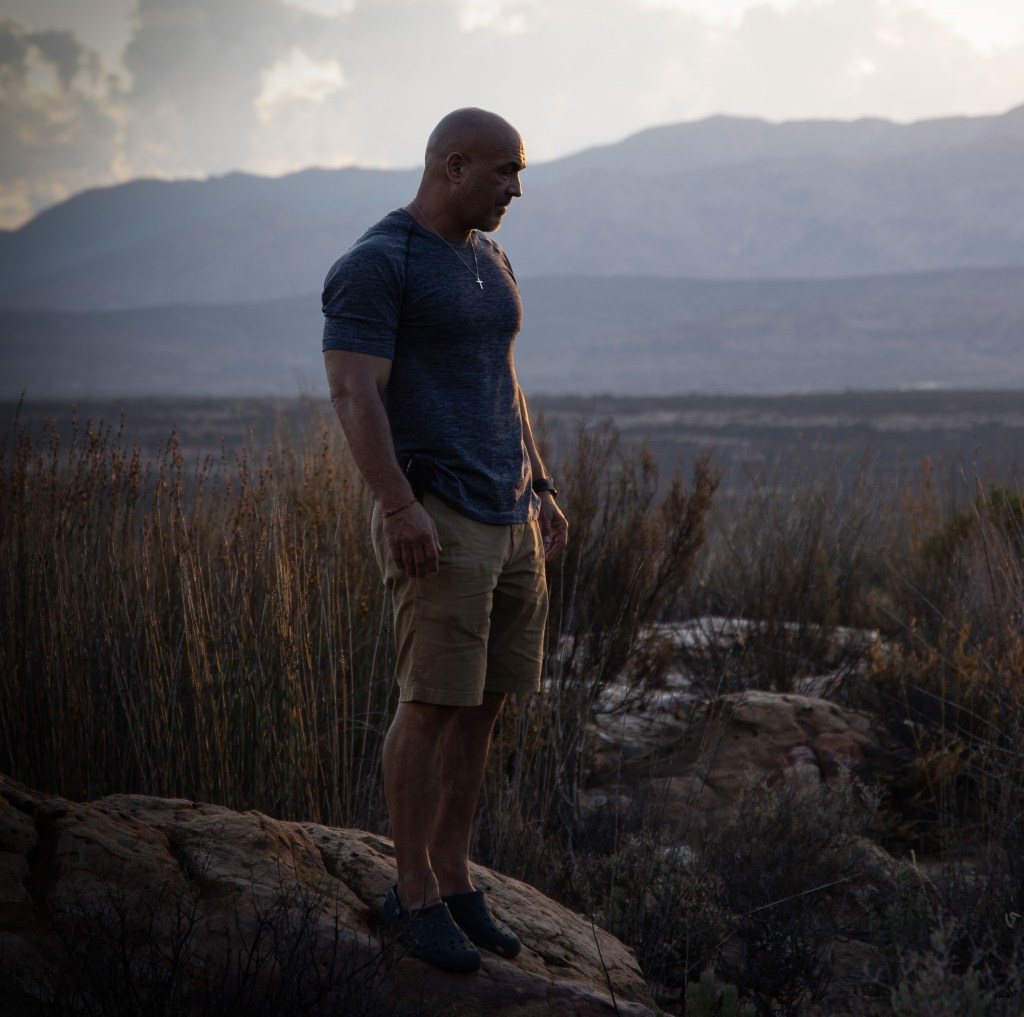


wow Gert, what a story. Who would have ever thought this would have happened to you. So glad you got to the hospital or you never would be here to tell us this story. Please take care of urself, I no u dont want to be back in that hospital having the backside of you exposed for everyone to see.
LISA Smith
LikeLike
Yeah Lisa, who would have think hey! But apparently if you’re genetic predisposed, nothing is gonna change what is coming, no matter how clean u eat, hard you train or healthy you live…
But now new chapter starts.
LikeLike
that is an amazing story. Really happy for you, Gert. God still has plans for you
LikeLike
Yeah brother. Be blessed man!
LikeLike
Hi Gert,Must be honest, I was wondering wh
LikeLike
Yeah Pieter – life adventure…
LikeLike